Logan

Walk into any busy kitchen in Singapore and you’ll notice something quickly. The best teams move fast, yet they never cut corners on cleanliness. That discipline usually starts in a food hygiene course Singapore learners attend before they ever handle a customer’s order. So what actually happens in class? Let’s walk through the lessons, one topic at a time, so you know exactly what to expect on training day.
The Core Topics in a Food Safety Course
A food safety course at Level 1 is built around five areas, and each one ties back to daily kitchen habits. Learners cover personal hygiene, safe ingredients, safe handling, safe storage, and the cleanliness of utensils, equipment and service or storage areas. In other words, the lessons follow food from the moment it arrives to the moment it reaches the customer. Let’s break down each area so nothing feels vague.
Personal Hygiene in a Food Safety Course
Hygiene starts with the person, not the kitchen. Hands carry bacteria, so handlers learn to wash with soap and warm water for at least 20 seconds. They wash before handling food, after using the toilet, and after coughing, sneezing or blowing their nose. Touching hair or other body parts means another wash. It sounds basic, yet missed handwashing remains one of the easiest ways to introduce harmful bacteria into food.
Appearance matters as well. Hair should stay tied back, or covered with a hairnet, because loose hair carries bacteria and makes customers question your standards. Clothing should be clean, cover the body, and be changed daily or whenever it gets soiled. Oral hygiene counts too, so food handlers brush their teeth, use mouthwash, and avoid smoking or chewing gum while preparing food. Small habits add up quickly.
Clean Tools and Work Areas in a Food Hygiene Course Singapore
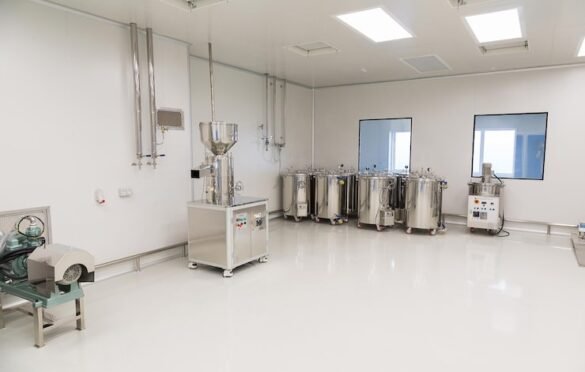
Clean hands won’t help if the chopping board is dirty. That’s why learners also study how to keep surfaces, utensils and equipment clean and sanitised. The main concern is cross contamination, which happens when harmful bacteria spread from one food or surface to another. A clean work environment cuts that risk sharply. Therefore, the course treats cleaning as a routine task and not a chore you squeeze in at closing.
How Long a Food Hygiene Course Singapore Takes
Time is often the first worry for working adults, and the schedule is friendlier than people expect. The course lasts 7.5 hours, split into six hours of theory and 1.5 hours of assessment. Sessions typically run from 9am to 5.30pm on weekdays, with some Saturday batches too. So you can finish everything in one day and get on with your week.
Language shouldn’t block anyone either. Classes run in English, Mandarin, Malay and Tamil, and you only need to read, write and understand simple English, Malay, Tamil or Chinese to join. Fees come to $140 before GST and grants, and SkillsFuture funding is available. Meanwhile, training takes place at Farrer Park, near the MRT, or at Kaki Bukit, so you can pick whichever spot is easier to reach.
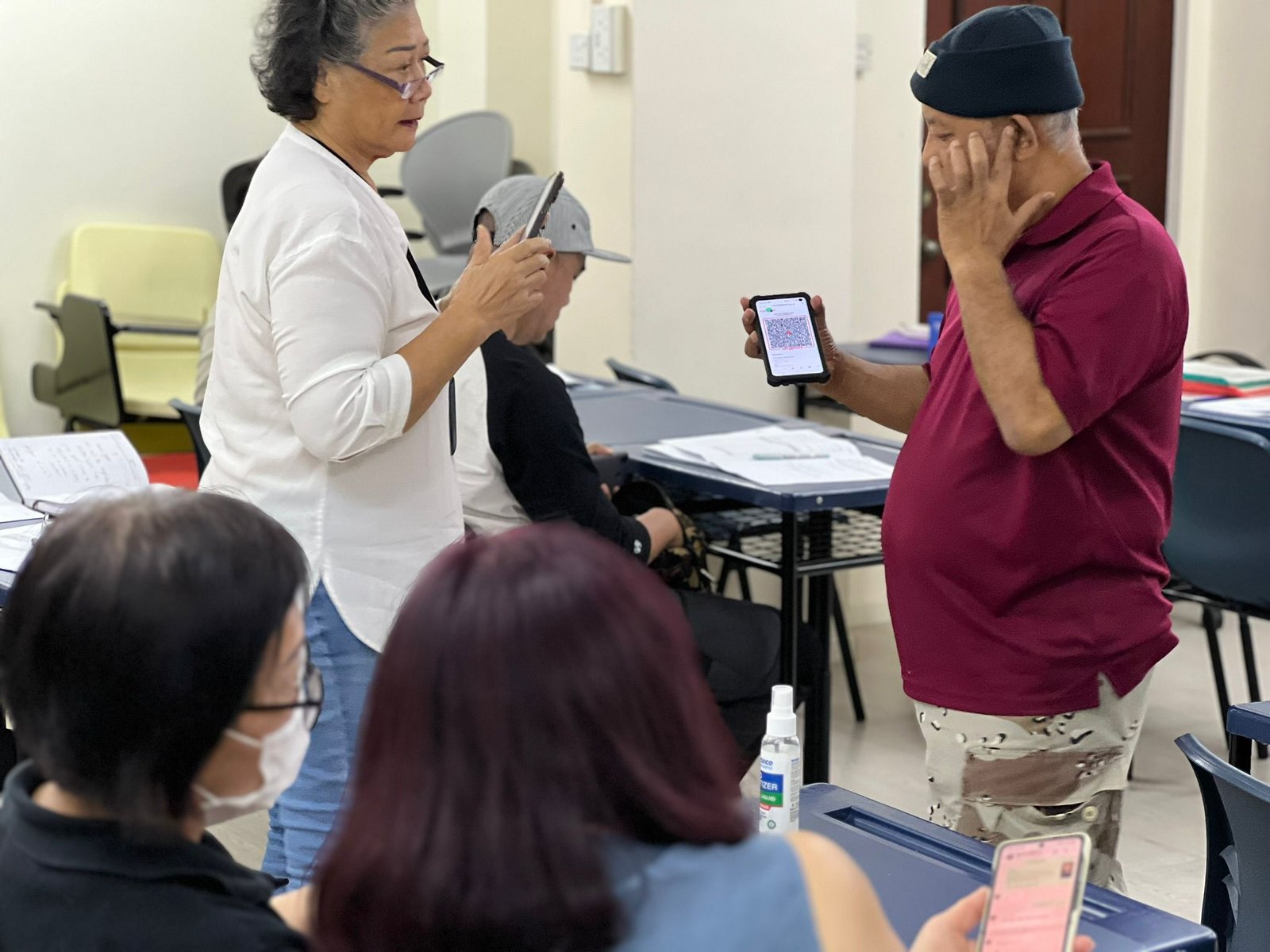
The classroom mix is varied. Food handlers who prepare food and beverages in licensed eating establishments attend, and so do service staff such as managers, captains, waiters and cashiers. That variety helps, because everyone hears the same hygiene rules. As a result, kitchen and front of house teams work from one playbook. Honestly, that shared understanding is half the value of a food hygiene course Singapore teams attend together.
What Happens After Your Food Safety Course Assessment
Once you sit the exam, the focus turns to results. Participants who pass receive the Food Hygiene SOA or certificate issued by SkillsFuture Singapore, and the Singapore Food Agency recognises it. In fact, the certification is a joint effort between SFA and SSG. That credibility gives employers confidence, and it gives you proof that you’re ready to handle food responsibly.
The certificate doesn’t last forever, though. It stays valid for five years after you complete the course. After that, food handlers should attend the refresher course to keep practising good hygiene. Therefore, it’s smart to note your expiry date and plan ahead. A short refresher now saves you from scrambling later when your employer asks for updated proof of training.
Ready to Book a Food Safety Course?
Here’s a quick recap of what you take away:
- Five core topics, from personal hygiene to clean equipment
- A 7.5 hour class with six hours of theory and 1.5 hours of assessment
- A certificate that stays valid for five years
- Language options including English, Mandarin, Malay and Tamil
So, what will you learn? You’ll learn how to wash, dress, store, handle and clean the right way, and you’ll prove it with a recognised certificate. For individuals, that opens doors in the F&B scene. For employers, it builds a safer team. Whichever group you belong to, a food safety course is a practical step, and a food hygiene course Singapore teams can book keeps standards high.



 Jimmie Palmer