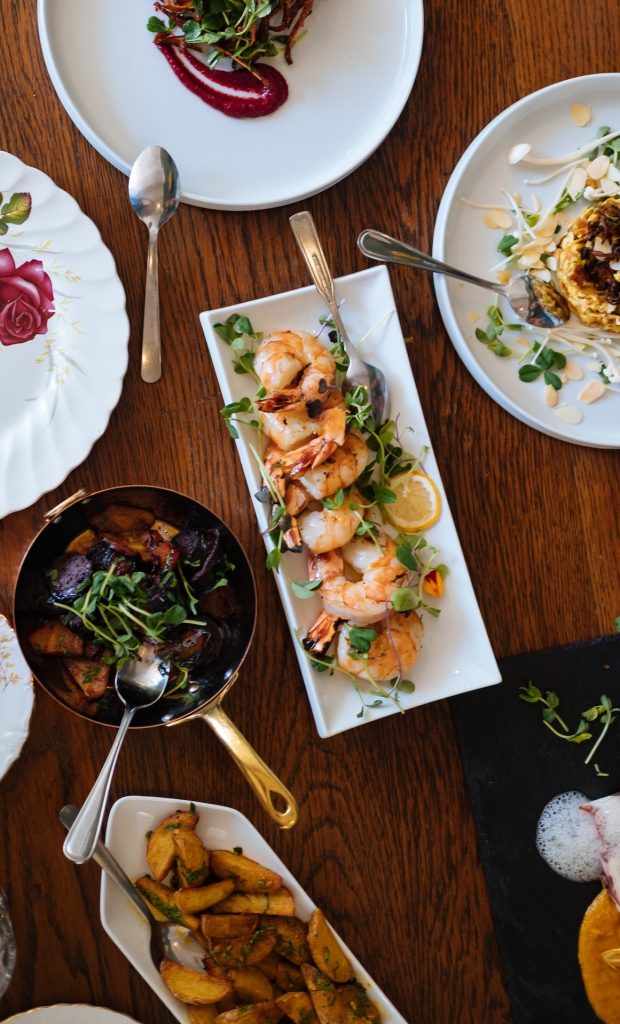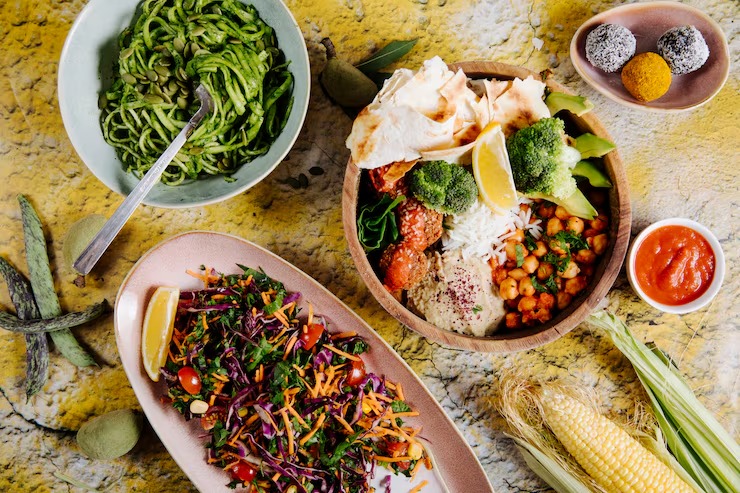

Good plant-based meals help you eat more fruits, vegetables, beans, grains, nuts, and seeds. These foods give your body fuel, fiber, and many key nutrients. You do not need hard recipes. You need simple food you like and repeat often. A plant plate works for lunch, dinner, school boxes, and quick snacks. Start small. Add more plants to meals you already enjoy.
What Are Plant-Based Meals?
Plant-based meals focus on food from plants. This means vegetables, fruit, beans, lentils, chickpeas, oats, rice, wheat, seeds, and nuts. Some people eat only plant food. Some people eat mostly plants with small amounts of dairy, eggs, or fish.
The main goal is simple. Eat more whole plant foods. Eat less heavy fried food and less sugary food.
A plant-based plate often has vegetables, whole grains, beans or lentils, fruit, seeds, nuts, and a small amount of plant oil. This food pattern suits many homes because basic plant foods are easy to find.
Why Plant Food Helps Your Body
Plant foods have fiber. Fiber helps your stomach feel full. Fiber also helps your digestion move well. Many adults do not eat enough fiber each day. Beans, lentils, oats, apples, peas, and whole grains help fix this gap.
Plant foods also give vitamins and minerals. Spinach gives iron and folate. Beans give protein and fiber. Nuts give good fat. Fruits give water and natural sweetness.
When your plate has more plants, meals feel lighter. You also get more color and texture in your food.
Simple Plate Rule for Better Meals
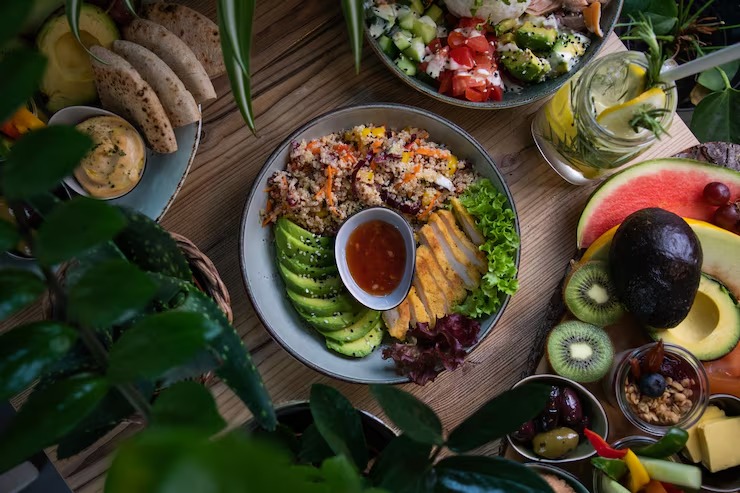
A good plant-based plate is easy to build. Think of your plate in four parts. Half of your plate should have vegetables. One quarter should have whole grains. One quarter should have beans, lentils, tofu, or chickpeas. Add a small side of nuts, seeds, or yogurt if you eat dairy.
For example, you might eat brown rice, chickpea curry, cucumber salad, roasted carrots, and a small spoon of seeds. This gives fiber, protein, and steady energy. You feel full without eating too much heavy food.
Easy Plant Foods to Keep at Home
Healthy eating starts with your kitchen. Keep basic foods ready. Then cooking feels less hard.
Keep rice, oats, whole wheat bread, lentils, chickpeas, kidney beans, tofu, potatoes, carrots, spinach, tomatoes, onions, bananas, apples, peanuts, and pumpkin seeds at home. These foods mix well. You get many meals from same items. This saves money too.
Quick Plant Meal Ideas for Busy Days
Busy days need easy food. You do not need long cooking every time.
Try lentil soup with toast, chickpea salad wraps, vegetable rice bowls, tofu stir fry with noodles, oats with banana and nuts, bean tacos with salad, hummus sandwiches with cucumber, or potato and pea curry with rice.
These meals use basic food. Most take 15 to 30 minutes. Cook extra lentils or rice once. Use leftovers next day.
Healthy Food Ideas for Daily Eating
Small daily swaps help your food feel better. These healthy food ideas work well when you want simple changes.
Use beans instead of some meat in curry. Add spinach to rice or soup. Choose whole wheat bread over white bread. Add fruit to breakfast. Snack on nuts instead of chips. Add salad beside lunch. Use hummus instead of heavy spreads. Drink water with meals.
You do not need perfect eating. Better eating starts with one small change.
Plant Protein Made Simple
Many people worry about protein. Plant protein is easy when you plan. Lentils, beans, chickpeas, tofu, tempeh, peanuts, seeds, soy milk, and peas all have protein.
Add one protein food to each main meal. Oats with peanut butter, rice with lentil curry, tofu with vegetables, chickpea wraps, bean soup, and pea potato bowls all give good protein.
Protein helps you stay full. Protein also helps muscles stay strong.
Plant-Based Meals for Kids
Kids like food they know. Start with simple meals. Add plants slowly.
Good kid friendly ideas include peanut butter toast with banana, pasta with tomato sauce and lentils, rice with peas and carrots, bean quesadilla, fruit bowl with yogurt, veggie soup with bread, and hummus cucumber sandwiches.
Keep portions small. Let kids try one new food at a time. Do not force large servings. Repeat often. Many kids need many tries before they accept new food.
Common Mistakes to Avoid
Plant-based eating gets hard when people make big changes too fast. Keep the plan simple.
Avoid these mistakes:
- •Eating only salad
- •Skipping protein
- •Using too much fried food
- •Buying costly special foods
- •Eating too little
- •Forgetting water
- •Trying too many new recipes at once
A good plant meal should fill you. Add grains, beans, and healthy fats. Salad alone may leave you hungry soon.
Budget Tips for Plant-Based Meals
Plant food works well on a budget. Lentils, beans, rice, oats, and potatoes cost less than many ready meals.
Buy dry lentils and beans when possible. Cook in larger batches. Freeze extra soup or curry. Use seasonal vegetables. Buy store brand oats and rice. Plan meals before shopping. Use leftovers for lunch.
A simple weekly plan saves time and money. Monday lentils, Tuesday rice bowl, Wednesday soup, Thursday wraps, Friday pasta. Keep meals easy to repeat.
Flavor Makes Plant Food Better
Plant food should taste good. Use simple spices and herbs. Salt, pepper, garlic, ginger, cumin, paprika, turmeric, lemon, and coriander help a lot.
Add crunch with seeds or peanuts. Add freshness with cucumber, tomato, or lemon. Add creaminess with hummus, avocado, or yogurt.
Taste matters. When food tastes good, you keep eating better without stress.
Simple Weekly Plant-Based Meal Plan
Here is an easy plan for one week. Monday, eat lentil curry with rice. Tuesday, make a chickpea wrap with salad. Wednesday, eat vegetable soup with toast. Thursday, make tofu stir fry with noodles. Friday, eat bean tacos with tomato salsa. Saturday, eat oats with fruit for breakfast and a rice bowl for dinner. Sunday, make potato and pea curry with cucumber salad.
This plan uses common food. Change any meal if your family likes something else.
Final Thoughts
Plant-based eating starts with small steps. Add more vegetables, beans, lentils, grains, fruits, nuts, and seeds to your day. Keep basic food ready at home. Pick meals your family likes. Repeat simple recipes. Your plate does not need to be perfect. A steady plant-rich routine helps you feel full, eat better, and enjoy daily food.
FAQ
Are plant-based meals good for daily eating?
Yes, plant-based meals work well for daily eating when they include protein, fiber, grains, and healthy fats. Lentils, beans, tofu, oats, nuts, and vegetables help make meals balanced.
What is the easiest plant-based meal for beginners?
A rice bowl with beans, vegetables, and sauce is a good start. You need cooked rice, canned beans, chopped vegetables, and simple seasoning.
Do plant-based meals have enough protein?
Yes, many plant foods have protein. Add lentils, chickpeas, beans, tofu, peanuts, seeds, or soy milk to meals for better protein intake.
Start Eating More Plant Foods Today
Use simple plant meals, easy swaps, and daily food ideas to make healthy eating feel simple at home.