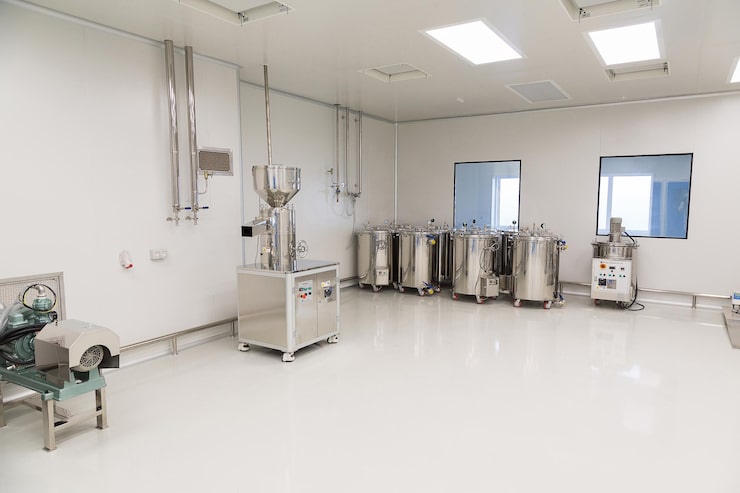

In the fast-paced world of food service, maintaining a clean, safe, and efficient workspace is non-negotiable. One of the most effective ways to achieve this is by upgrading your floors with commercial kitchen epoxy flooring. Beyond its sleek appearance, epoxy offers a combination of durability, hygiene, and style that traditional flooring options simply cannot match. In this article, we’ll explore why epoxy flooring is the go-to choice for commercial kitchens and how it can revolutionize your culinary environment.
Why Epoxy Flooring is Perfect for Commercial Kitchens
When it comes to commercial kitchens, floors are more than just surfaces—they’re essential components of safety and productivity. Epoxy flooring has gained popularity because it addresses the unique challenges kitchens face daily.
- Durability that Lasts: Commercial kitchens endure constant foot traffic, heavy equipment, and frequent spills. Epoxy coatings create a robust, chemical-resistant surface that withstands years of wear and tear.
Epoxy is not only tough but also seamless, meaning there are no cracks or joints where dirt, grease, or bacteria can hide. This seamless nature makes cleaning quicker and reduces the risk of contamination—a crucial factor in any food service environment.
Benefits of Choosing Commercial Kitchen Epoxy Flooring
Selecting the right flooring for your kitchen is an investment in your staff’s safety, efficiency, and overall hygiene. Epoxy offers several advantages that traditional flooring cannot provide:
- Slip Resistance: Kitchens are inherently wet and slippery. Epoxy flooring can be customized with anti-slip additives to prevent accidents, keeping your staff safe and minimizing liability.
- Aesthetic Appeal: With a range of colors, textures, and finishes, epoxy can transform a dull kitchen into a vibrant and professional space.
- Chemical Resistance: Harsh cleaning agents, oils, and acids are common in commercial kitchens. Epoxy’s chemical-resistant properties ensure the floor remains intact and visually appealing over time.
- Low Maintenance: A simple sweep and mop are enough to keep your epoxy floor looking brand new, saving both time and cleaning costs.
Bullet Point Highlight: One major advantage of epoxy is its ability to resist staining from food and liquids, making it a practical choice for any busy kitchen.
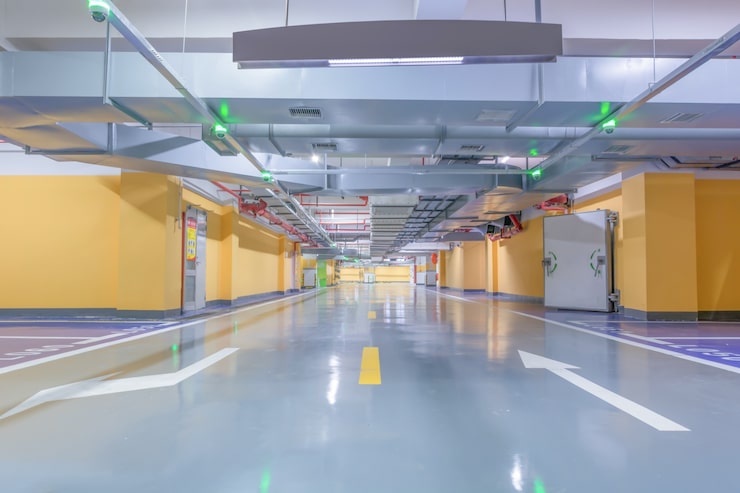
Installation Tips for Long-Lasting Results
Installing commercial kitchen epoxy flooring is a process that demands precision and proper preparation. Here are a few tips to ensure your investment stands the test of time:
- Surface Preparation is Key: Ensure the concrete is clean, dry, and free from cracks or debris before applying epoxy. Any imperfections can compromise the adhesion and durability of the floor.
- Professional Application: While DIY kits are available, professional installation guarantees a smooth, even finish that will last for years without chipping or peeling.
- Curing Time: Allow sufficient time for the epoxy to cure fully. Rushing this process can result in a weak surface prone to damage.
By following these guidelines, your kitchen floor will not only look stunning but also provide decades of reliable service.
Conclusion: A Smart Choice for Every Kitchen
Investing in commercial kitchen epoxy flooring is more than a design decision—it’s a commitment to safety, efficiency, and hygiene. Its combination of durability, low maintenance, and aesthetic versatility makes it an ideal choice for kitchens of all sizes. Whether you’re renovating an existing space or building a new culinary environment, epoxy flooring ensures your kitchen stays clean, functional, and professional.